Why NFPA 96's Bare Metal Standard Matters for Your Commercial Kitchen Exhaust
Understanding the Core of Kitchen Fire Safety
I have spent years working with restaurant owners and kitchen managers who thought their exhaust systems were clean enough. They would show me a hood canopy that looked spotless and say, "See, no grease buildup." But when I climbed onto the roof and checked the exhaust fan, or worse, when I pulled a section of ductwork apart, the story changed. Inside those hidden spaces, grease had hardened into a thick, flammable layer. That is exactly what NFPA 96 is designed to prevent. And at the heart of that prevention lies a concept that every kitchen operator should understand: the bare metal standard.
The bare metal standard is not about aesthetics. It is about fire safety. It means that after a thorough cleaning, every surface in the commercial kitchen exhaust system, from the hood canopy down to the ductwork and the exhaust fan housing, must be free of any visible grease, residue, or contamination. You should be able to run your finger along the interior of a duct and come back clean. That is the benchmark. And it is what fire marshals look for when they inspect a restaurant.
The Real-World Implications of Grease Buildup
Grease is a byproduct of cooking that never really goes away. It collects on grease filters, inside hoods, and along ductwork. Over time, it oxidizes and becomes tacky, then hard. In a commercial kitchen, where cooking temperatures can exceed 500 degrees Fahrenheit, that grease layer becomes a serious fire hazard. A spark from a fryer or a flare-up on the grill can ignite the grease inside the exhaust system. Once that happens, the fire spreads rapidly through the ductwork, often reaching areas that are inaccessible and hard to fight. I have seen kitchens that had to be completely rebuilt because of a grease fire that started in the exhaust.
NFPA 96 is the kitchen fire code that addresses this risk. It sets the standard for ventilation cleaning and inspection in commercial kitchens. The standard requires that all components of the exhaust system be cleaned to the bare metal standard at intervals determined by the volume of cooking and the type of food being prepared. A high-volume steakhouse, for example, needs more frequent cleaning than a small bakery. But the end result is the same: no grease left behind.
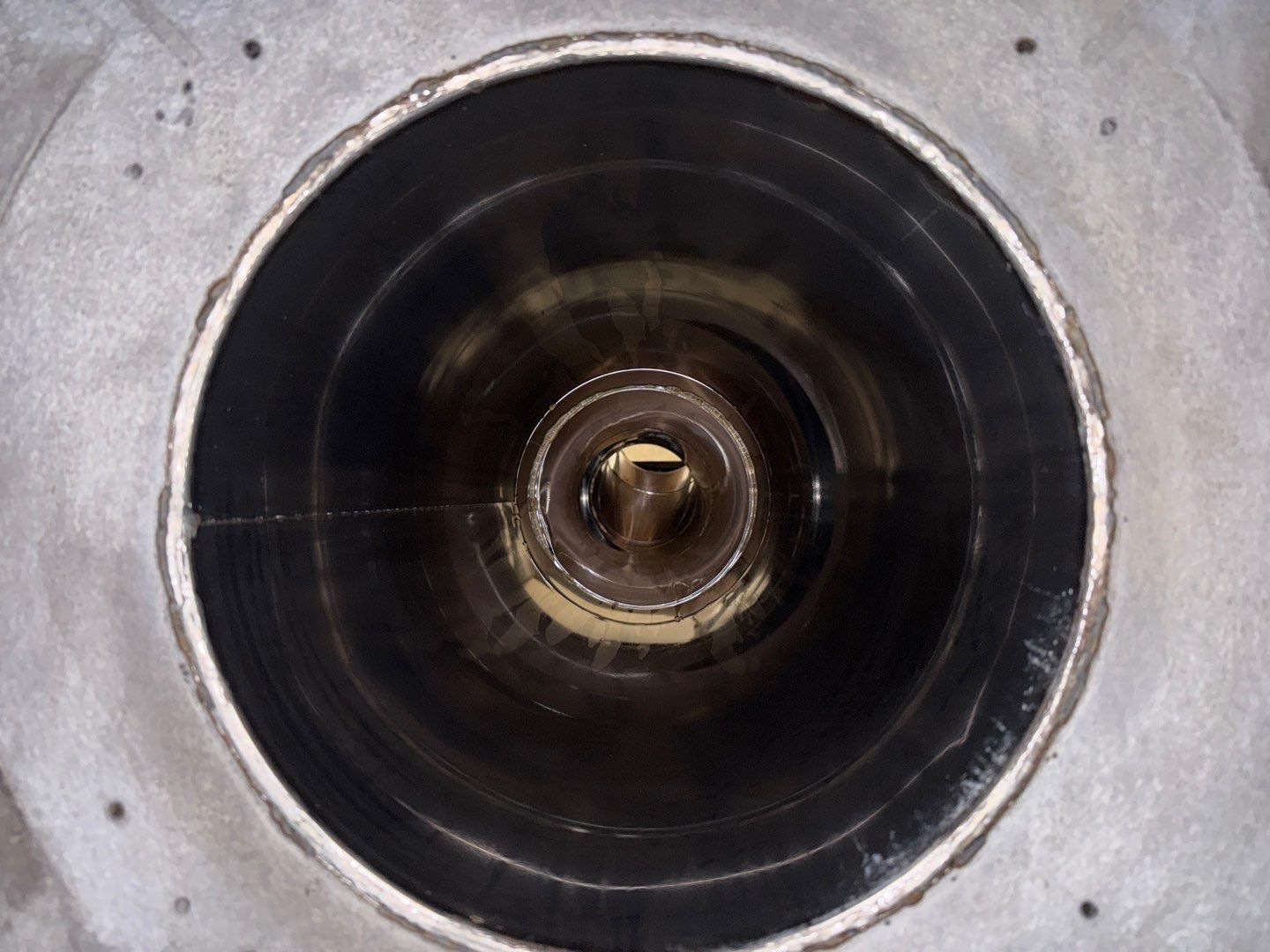
What the Bare Metal Standard Actually Looks Like
To meet the bare metal standard, a cleaning crew must remove all grease from every surface. That includes the hood canopy, the grease filters, the exhaust fan blades and housing, the ductwork from the hood to the fan, and any other components that come into contact with cooking vapors. The cleaning process often involves scraping, applying chemical degreasers, and using pressure washers or steam cleaners. It is a physical job that requires training and experience. A good hood cleaning company will document the before and after with photos, showing that the system has been brought back to bare metal.
One of the most overlooked areas is the exhaust fan itself. I have seen fans that were so caked with grease that the blades were barely turning. That reduces airflow, which makes the hood less effective at removing smoke and heat. It also puts extra strain on the motor, leading to breakdowns. A properly cleaned fan, brought to the bare metal standard, runs cooler and more efficiently. It also reduces the risk of a fire starting in the fan housing, which is a common ignition point.
Another critical component is the ductwork inspection. Often, duct runs are hidden above ceilings or behind walls. A visual check from the access panel may not reveal the full extent of grease buildup. Professional cleaners use cameras and drop-in tools to inspect the entire length of the duct. If they find heavy grease, they must clean it down to the bare metal. Skipping this step is a common violation that fire marshals catch during inspections.
The Role of the Hood Suppression System
While the bare metal standard focuses on cleaning, it works hand in hand with the hood suppression system. Most commercial kitchens have a fire suppression system that is tied to the cooking equipment. These systems, often designed to UL 300 standards, use wet chemicals to extinguish a fire at the cooking surface. But they are not a substitute for cleaning. In fact, a dirty exhaust system can render a suppression system less effective. If grease blocks the nozzles or coats the detection devices, the system may not activate when needed. Regular cleaning ensures that the suppression system can do its job.
I have been in kitchens where the suppression system was perfectly maintained, but the exhaust ductwork was packed with grease. When I asked the owner why, he said he thought the suppression system was enough. That is a dangerous misconception. The suppression system handles the fire at the source, but if the fire gets into the ductwork, it can spread throughout the building before the system can respond. The bare metal standard is your first line of defense against that scenario.
Building a Sustainable Exhaust Cleaning Schedule
Establishing an exhaust cleaning schedule that meets NFPA 96 standard is not optional. It is a requirement for most commercial kitchens, and it is a key part of restaurant compliance. The frequency depends on the type of cooking. Here is a general guideline based on the standard:

- Systems serving solid fuel cooking (wood, charcoal) need monthly cleaning.
- High-volume operations (fast food, steakhouses) typically require quarterly cleaning.
- Moderate-volume kitchens (cafeterias, pizzerias) may be okay with semi-annual cleaning.
- Low-volume kitchens (churches, seasonal operations) can often get by with annual cleaning.
But the schedule is just a starting point. The real test is whether the system is clean at the time of inspection. I advise kitchen owners to work with a certified exhaust cleaning company that provides a written report after each service. That report should include the date cleaned, the areas cleaned, and confirmation that the system meets the bare metal standard. It becomes your proof of compliance if a fire marshal shows up.
Common Mistakes and Practical Advice
One mistake I see often is relying only on visual inspection of the hood canopy. The hood surface may look clean, but the grease filters could be saturated, and the ductwork could be full of buildup. Another mistake is using the wrong cleaning methods. Some operators try to save money by spraying degreaser and wiping down the hood themselves. That might remove surface grease, but it will not touch the hardened layers inside the duct. Professional equipment is needed to reach those areas.
Another issue is grease containment. Even after a thorough cleaning, grease will start accumulating again immediately. That is normal. But proper grease containment, such as using high-quality grease filters and ensuring that the exhaust fan is sized correctly, can slow the buildup. A well-designed system with proper airflow will collect grease in the filters rather than letting it deposit on duct walls. That makes cleaning easier and extends the time between services.
I also recommend that kitchen staff perform a simple weekly check. Look at the hood canopy and the grease filters. If you see visible grease on the filters, they need cleaning or replacing. If you see grease dripping from the hood, that is a sign that the system is overdue. Catching these issues early can prevent a fire hazard and keep you in compliance with the kitchen fire code.
The Bottom Line on the Bare Metal Standard
The bare metal standard is not just a regulatory checkbox. It is a practical measure that protects your business, your staff, and your customers. A clean exhaust system reduces the risk of a catastrophic fire, improves air quality in the kitchen, and extends the life of your equipment. It also helps you pass inspections from the fire marshal and your insurance company.

If you are a restaurant owner or manager, take the time to understand what your exhaust cleaning company does. Ask for photos of the ductwork and the fan before and after cleaning. Confirm that they are cleaning to the bare metal standard, not just wiping down the visible parts. And keep your documentation organized. When the fire marshal comes, you want to be able to show that you are following NFPA 96 standard and that your kitchen has been properly maintained.
In my experience, the kitchens that take the bare metal standard seriously are the ones that never have a grease fire. They are also the ones that have fewer equipment breakdowns and better working conditions for their staff. It is one of those investments that pays for itself many times over. So next time you schedule your ventilation cleaning, make sure the job is done right. Your kitchen depends on it.